


Maersk Data Breach Traced to Legacy System, $5M Ransom Demanded
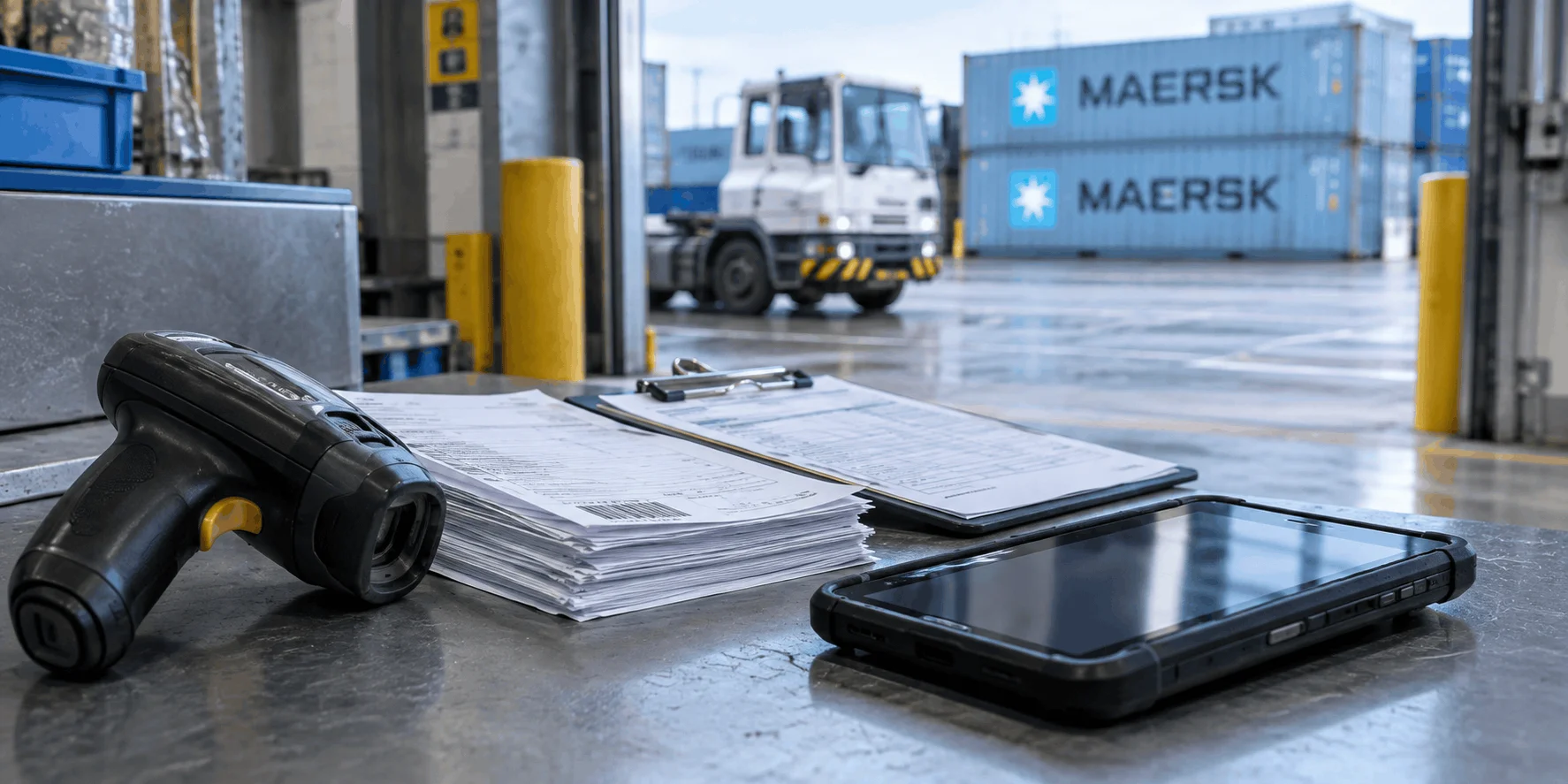
A.P. Moller-Maersk has confirmed that an intruder reached one of its older internal systems and extracted data from it. That platform arrived four years ago through a corporate acquisition. What sets the Maersk data breach apart from other incidents of this size is where it landed. The affected system belongs to a contract logistics arm the company bought rather than built.
Maersk says the data breach stayed inside that one local system. The group claiming responsibility tells a different story. It lists driver records, plaintext passwords and administrator accounts among roughly 100GB it says it took. Nobody outside those two parties has verified either account.
What Maersk Has Confirmed So Far
Maersk described the data breach on 11 November as unauthorised access and data extraction from a local legacy system. Its security team investigated as soon as it spotted the problem and secured the affected platform. Early findings, in the company’s own words, “strongly suggest no sensitive data has been disclosed.” The investigation continues, and Maersk has promised to notify affected parties if that picture changes.
Containment is where the company has been most specific so far. Its account places the intrusion inside one local system, with no evidence of impact on the rest of its infrastructure. Customer and partner connections through APIs and EDI show no sign of compromise, so bookings and shipment management carry on as normal.
Maersk has not named the group behind the intrusion, confirmed a ransom demand, or described which categories of data left the system. It has stayed quiet about the acquisition too, though outside researchers have filled that gap. The company told customers to verify unexpected messages about the matter through their usual contacts.
The Claims Behind the Maersk Data Breach
The Maersk data breach surfaced publicly on 7 November, when an extortion group calling itself WhiteArmor posted the company to its leak site. That came four days before Maersk spoke. WhiteArmor wants $5 million in bitcoin and has set a 30-day deadline before it publishes what it holds. It puts the haul at roughly 100GB and frames the price as about four hours of quarterly earnings.
The inventory WhiteArmor advertises runs well beyond a simple customer list. It claims nearly 30,000 driver records, plaintext passwords and 33 accounts with super-administrator rights. Signed delivery receipts, purchase orders and 27,842 mobile device logs round out the list. Those logs carry phone numbers, email addresses and IMEI numbers, though published accounts differ on the driver figure.
Claims about the Maersk data breach carry no independent confirmation at this stage. Extortion crews have a long record of inflating volumes so a deadline bites harder. The plaintext password allegation still deserves attention, because it describes a storage practice rather than a theft volume.
A Platform Maersk Bought in 2022
The system at the centre of the Maersk data breach traces back to LF Logistics. Maersk bought the Hong Kong contract logistics specialist from Li & Fung in 2022 for $3.6 billion. The deal brought 223 warehouses and roughly 10,000 employees across Asia-Pacific, along with the technology those sites ran on. Researchers who examined the leak-site material tied the breached platform to that arm of the business.
Data on a platform of that kind belongs mostly to other companies. Warehouse systems hold order flow, delivery confirmations and inventory positions for brands that outsource fulfilment, so one compromised admin account can reach commercially sensitive material across dozens of clients.
Maersk keeps its statement focused on its own infrastructure rather than the records of the brands it serves. That distinction matters, because the Maersk data breach reaches people with no direct relationship to the company. Drivers, warehouse staff and delivery recipients appear in those files, and notification duties may follow.
Why Inherited Systems Slip Out of View
Acquired environments arrive with their own credentials, their own patch cadence and the connections built during integration. Ownership of them blurs once a deal closes. Security practitioners have pushed back hard on the legacy framing that follows incidents like this one.
“As soon as the ink is dry, securing those systems is yourresponsibility,”
argued John Strand of Black Hills Information Security. He compared the case to legacy Cerner servers that Oracle inherited in 2022. An October filing in Texas put that toll near 20 million people. Penetration testing during due diligence answers questions a balance sheet cannot, and that window closes when the deal does.
WhiteArmor’s First Three Weeks
The Maersk data breach sits among more than 20 claims WhiteArmor has made since 21 October 2026. A listing for Unilever on 4 November alleged 79GB across 1.8 million files, with a $15 million demand attached. An alleged intrusion at freight carrier J.B. Hunt has already drawn a proposed class action.
The ransomware label this group carries sits loosely on what it actually does, because nothing in its public activity points to file encryption. Its leverage comes from exfiltration and a countdown, which keeps the operational cost of each attack low and widens the pool of viable targets.
Nine Years After NotPetya
Maersk has been through far worse, on a scale that reset expectations across the shipping sector. The 2017 NotPetya attack forced the company to reinstall roughly 45,000 PCs and 4,000 servers. It ran without IT for about ten days, at an estimated cost of $300 million.
The operational contrast between that episode and the Maersk data breach could hardly be sharper. Vessels are sailing, bookings are open, and the company reports no disruption for the 100,000-plus customers it serves in 130 countries. Investment in segmentation and response capacity after 2017 looks like part of the reason the damage stayed in one place, though Maersk has not described its network architecture. Containment is a real achievement, but it says nothing about prevention.
Where the Maersk Data Breach Leaves Supply Chain Partners
The gap between Maersk’s account and WhiteArmor’s claims will narrow over the coming weeks. Either the company’s own findings close it, or a leak does once the deadline runs out. For the people named in those files, the practical risk from the Maersk data breach is phishing built on real order details. That risk outlasts any investigation timeline.
Companies that have grown through acquisition have a short window to examine their own inherited estates. Every legacy platform needs a named owner, a patch schedule and a documented map of its connections. Brands that outsource fulfilment have fewer levers of their own. Their contracts should set notification timelines and name the security standards a provider holds its platforms to.
The Maersk data breach began in a system that worked well enough to keep running and quietly enough to avoid scrutiny. That description fits a great deal of enterprise technology acquired through deals rather than designed in place. Attackers have started reading acquisition histories as target lists, and defenders have not caught up.
Subscribe to receive the latest blog posts to your inbox every week.