


Oyster Card Data Breach Hits 265,000 TfL Photocard Users
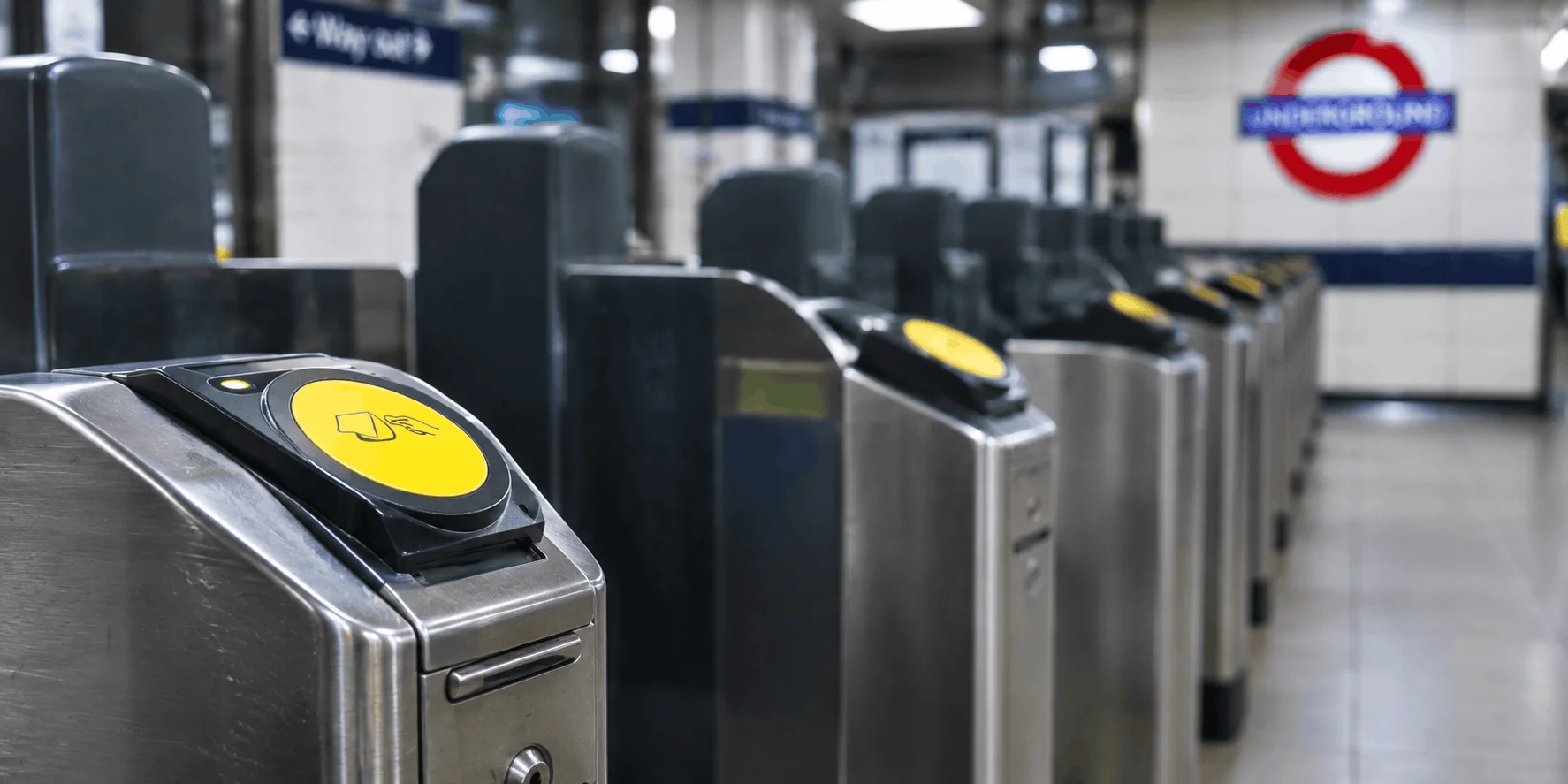
Transport for London says around 265,000 Oyster photocard customers may have had personal details exposed on its photocard website. The Oyster card data breach surfaced on 16 November, when customers received emails from TfL systems telling them to create accounts they already held. Those messages came out of the compromise itself, and they gave TfL its first signal of trouble. The authority pulled the portal offline that afternoon and started notifying affected customers two days later.
How the incident came to light
Customers noticed the strange emails before TfL published any statement about the incident. One account holder on a UK rail forum described a registration message for a photocard he had never requested. He also watched the site drop offline for planned maintenance that Monday afternoon.
TfL says its speed reduced the number of Oyster card holders caught in the data breach. An early estimate sat near 250,000 accounts before it climbed to 265,000. That figure may rise again as the investigation continues.
TfL has informed the Information Commissioner’s Office, a step UK GDPR requires within 72 hours of discovery. How the intruders got in remains undisclosed, and no group has claimed the attack. No ransom demand has surfaced either, and this data breach touched no TfL service beyond the Oyster card portal.
What the Oyster card data breach exposed
The records exposed in the Oyster card data breach hold names, phone numbers, email addresses, home addresses and dates of birth. Security questions and their answers sat in the same accounts. That package describes a person well enough to impersonate them, without a single password changing hands.
TfL’s current assessment rules out the categories that would have made this far worse. Passwords, bank and payment card details, journey history, photographs and supporting documents all sit outside the exposure. TfL also believes the names and dates of birth of children with Zip Oyster cards escaped.
Photocard accounts will stay locked while the investigation runs, and TfL has set no date for restoring the portal. Oyster cards remain valid for travel despite the data breach, and renewals or journey history go through Customer Services. Anyone who received no notification on 18 November looks unaffected for now.
Security answers do not reset like passwords
Reading that attackers took no passwords tends to settle nerves, and that reassurance does not hold up here. Security answers rest on facts that stay fixed for life, including a mother’s maiden name or a first school. A password takes seconds to rotate, while a birthplace stays a birthplace forever.
The real danger in this Oyster card data breach runs through account recovery at organisations far from London transport. Banks, telecoms firms and retailers still fall back on knowledge-based questions when a customer loses access. An attacker holding the right answers walks through those checks wearing someone else’s identity.
TfL flagged that same risk in the guidance it sent to affected customers. Reuse widens the damage, because most people recycle the same handful of answers across every service that asks. A set captured here therefore opens doors nobody ever connected to London travel.
Who carries an Oyster photocard
The affected card types point to a specific populationrather than a general customer base. Zip Oyster photocards cover children agedfive to eighteen. The list also takes in 18+ Student, 18-25 Care Leaver, 60+London, Apprentice and Veterans photocards.
Every Oyster card type in the data breach belongs to aconcession scheme for free or discounted travel. Older holders and youngstudents both rank among the favourite targets of impersonation fraud. Amessage carrying a correct address and date of birth clears a bar that genericscam mail never reaches.
TfL has published no breakdown of the data breach by Oystercard type. The number of children and older Londoners in the dataset thereforeremains unknown. That gap matters for anyone weighing the real risk.
A second TfL compromise in two years
London’s transport network went through a far larger intrusion starting on 31 August 2024, when Scattered Spider operators reached TfL’s back-office systems. They took Oyster refund data, including bank account numbers and sort codes for roughly 5,000 customers. Recovery cost £29 million, and about 28,000 staff reset their passwords in person.
The prosecution that followed became the largest cybercrime case ever brought before a UK court. Owen Flowers and Thalha Jubair pleaded guilty on 22 June 2026, and each received five years and six months in July. Both were teenagers when they carried out the attack.
This latest incident landed on a completely different part of the TfL estate. Social engineering carried the 2024 attackers into internal systems, while the Oyster card data breach centres on a public portal. Two years of hardening and a landmark prosecution did not keep attackers away from a second system.
What photocard holders should do now
The first task for Oyster card holders caught in the data breach arrives when the portal returns online. Every affected customer must set a new password, security question and answer. The replacement answer should bear no relation to the old one, because invented answers cannot leak elsewhere.
Credential reuse deserves a careful sweep across every other account that matters. Any service storing the same questions and answers needs updating, and so does any reused password. Email and banking come first.
Phishing pressure will arrive in the wake of these notifications, and it will look convincing. Messages about a photocard, a refund or an account reset deserve suspicion for months. TfL has asked customers to ignore the account-creation emails and verify anything unexpected through official channels.
Where this leaves TfL
An operator moving five million journeys a day on the Underground alone sits permanently in front of attackers. The data it holds reaches well past travel itself. Concession photocards require proof of age, address and eligibility, which turns a ticketing system into an identity database.
That dependence on fixed personal facts is the uncomfortable truth behind this Oyster card data breach. Every transport operator running concession schemes at scale holds the same kind of file. Few guard it with the care an identity database deserves.
The headline number will firm up over the coming weeks, and TfL expects it could rise. For the 265,000 people holding a notification email, an exposed birth date and security answers outlast any portal outage. They should act today rather than wait for the investigation to close.
Subscribe to receive the latest blog posts to your inbox every week.