


SEGA Confirms Data Breach Hitting 2.2 Million Addresses
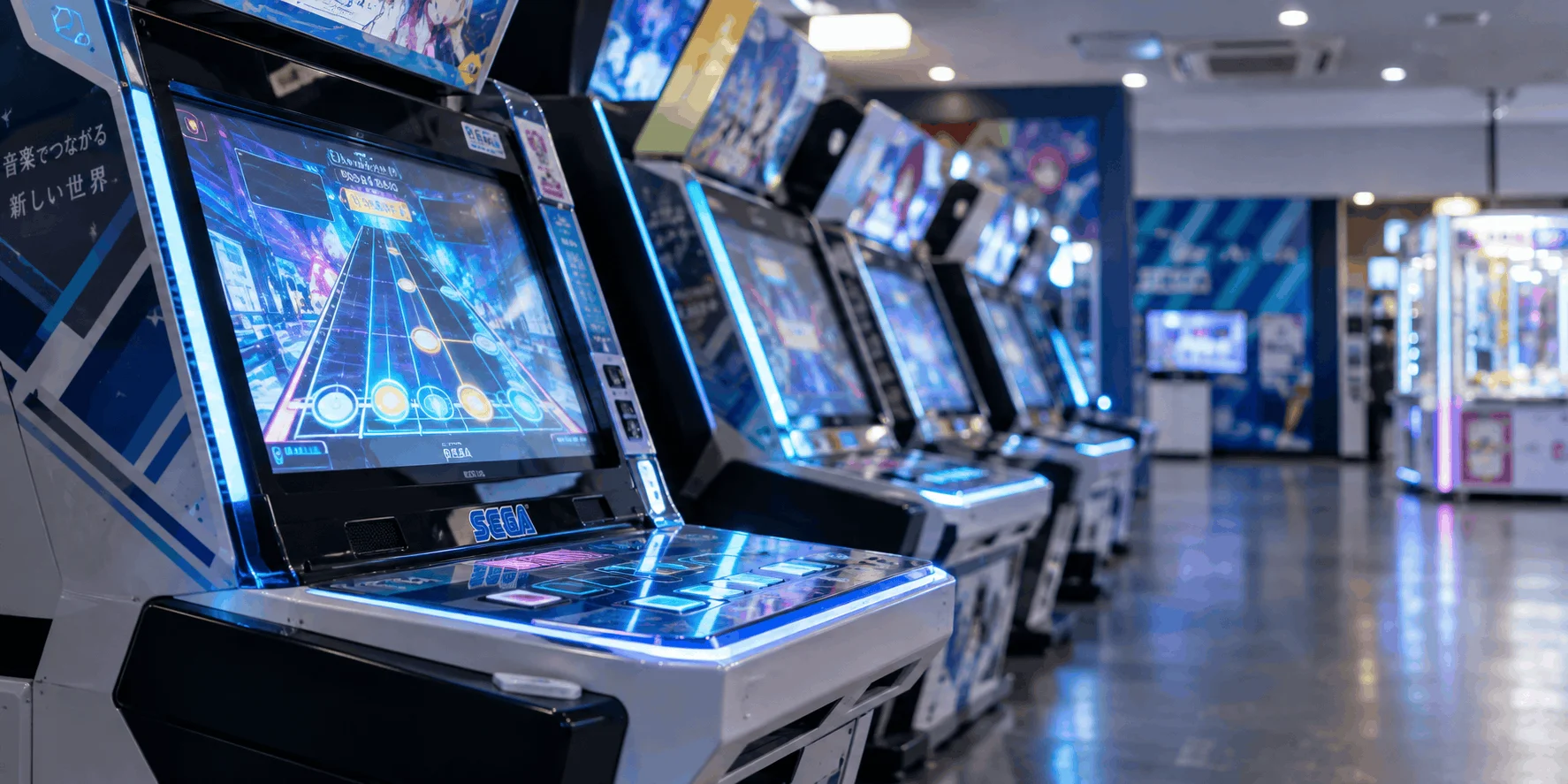
SEGA has confirmed a data breach at its third-party newsletter provider that exposed 2,196,044 customer email addresses. The company learned of the leak only after that same vendor assured it nothing had escaped. SEGA published its notice on November 9, 2026, naming Arara Co., Ltd.as the compromised supplier behind eleven mailings sent between July and October.
Those mailings covered arcade titles including CHUNITHM, Ongeki and maimai, plus SEGA Lucky Kuji Online notices and Tokyo Game Show announcements. The exposed records held no names, dates of birth, payment card details or passwords. That narrows the risk to customers, but it does not erase it. Attackers who took the address lists also controlled the platform used to mail them, and they used that access within days.
A Vendor Reported No Leak, Then Reversed Five Days Later
SEGA asked Arara about the safety of its data on October 29. Arara answered that it had confirmed no leak. The vendor went public about the intrusion in early November, which sent SEGA back to check again. On November 3, Arara emailed to confirm that the addresses behind SEGA’s newsletters had been taken after all.
Joint verification ran from November 5 to 8, and Arara submitted a formal report. SEGA disclosed the next day. Eleven days separate the vendor’s first reassurance from the public notice, and customers learned of the data breach SEGA had been investigating only once both companies compared findings.
The data breach reached SEGA through a route it does not own and cannot audit directly. Arara holds the subscriber lists because Arara runs the delivery. That leaves the client dependent on its vendor’s detection and on the vendor’s willingness to report what it finds. October 29 shows what happens when the dependency returns a wrong answer.
What SEGA Says the Data Breach Exposed
SEGA put the total exposed in the data breach at 2,196,044 email addresses, of which 92,273 also carried information tied to delivery. Several English-language reports have treated that smaller number as a separate tranche on top of the main total. SEGA’s own notice frames it as a subset. The company has yet to define what that information contains, and is still working through it with Arara.
Customers who registered an address under a SEGA Account avoided the incident completely, because those addresses sit in a separate delivery system. That separation is the clearest good news in the disclosure, and the one piece other companies can copy directly. Marketing and account infrastructure held different data, so compromising the first left the second untouched.
SEGA has confirmed no misuse of data from the breach so far, but it has told customers to treat unexpected mail with suspicion. Neither SEGA nor SEGA Fave will ever request a password or card number by email. The company also flagged messages impersonating Arara, a pointed warning given what the attackers did with that platform.
Why a Stolen Address List Still Carries Real Risk
The attackers behind the data breach SEGA disclosed did not stop at collecting addresses. They used the compromised delivery service to send over seven million emails impersonating credit card companies in late October. Mail sent that way leaves legitimate infrastructure, carrying the authentication records and sender reputation of a real commercial service. Standard filtering struggles with exactly that profile.
An address harvested from some breached database still has to arrive from somewhere, and most phishing attempts fail at that step. Control of the mail platform removes the obstacle. The recipient sees a message from a service their bank or their retailer actually uses.
People whose addresses sat in the data breach SEGA reported should treat any message about their account, a prize draw or a payment problem with care. Breach notifications attract follow-up phishing as a matter of course. The exposed lists also identify their holders as gaming customers rather than a random sample, which makes a convincing lure easier to write.
One Supplier, Seventy-Seven Million Addresses
Arara disclosed that attackers took roughly 77 million email addresses from 97 servers across as many as 380 client companies, a count it still describes as under review. Its parent, Paycloud Holdings, confirmed the incident to the Tokyo market in early November. A web server vulnerability and wider system environment problems both contributed, though the exact intrusion method and timing remain unresolved.
Set against that figure, SEGA’s share of the data breach accounts for a small fraction of the whole. MOS Burger reported 7.5 million, Shochiku Multiplex Theatres 3.3 million, and TKC up to 2,230,812, a set taking in customers of municipal My Number Card booking systems. IIJmio counted close to a million, while AIRDO and Solaseed Air reported 673,920 and roughly 490,000.
Arcade operators, fast food chains, regional airlines and local government booking platforms all sat behind one email delivery supplier. None of them had a say in how that supplier secured its servers. None could have spotted the intrusion from their own side either. Concentration at the vendor layer turns a single web server flaw into a national incident, and the data breach SEGA confirmed is one line item within it.
A Second Incident at SEGA Fave, Reported as Unrelated
SEGA Fave disclosed unauthorized access to servers behind its ALL.Net and Aime arcade network on November 2. The company suspended online gameplay, SEGA Lucky Kuji Online and new SEGA ID registrations while it ran safety checks. Its initial investigation found no evidence that customer or partner data had left the environment, and payment information sat in separate storage.
SEGA states that the two incidents have no connection, and the data breach at its newsletter vendor remains the one with confirmed customer exposure. The close timing invites an assumption of a link, which the company has addressed head on. Anyone following either event should keep them apart, because the exposure profiles differ completely.
What This Leaves Customers and Businesses
The practical takeaway for customers caught in the data breach SEGA disclosed is narrow. An email address on its own opens no account, so there is no password to rotate and no card to cancel. The exposure raises the odds of a convincing phishing attempt and little else. Scepticism toward unexpected mail is the entire defence.
For businesses, the sharper lesson sits in that October 29 exchange. SEGA asked the right question of its vendor, got a clean answer, and had to correct the record in public eleven days later. Contractual assurance does not amount to detection, and a client cannot verify what it cannot see. Notification windows and audit rights written into vendor agreements cost far less than apologising for someone else’s web server.
Subscribe to receive the latest blog posts to your inbox every week.