


Uber Data Breach Hits 149,346 Drivers After AI Supplier Hack
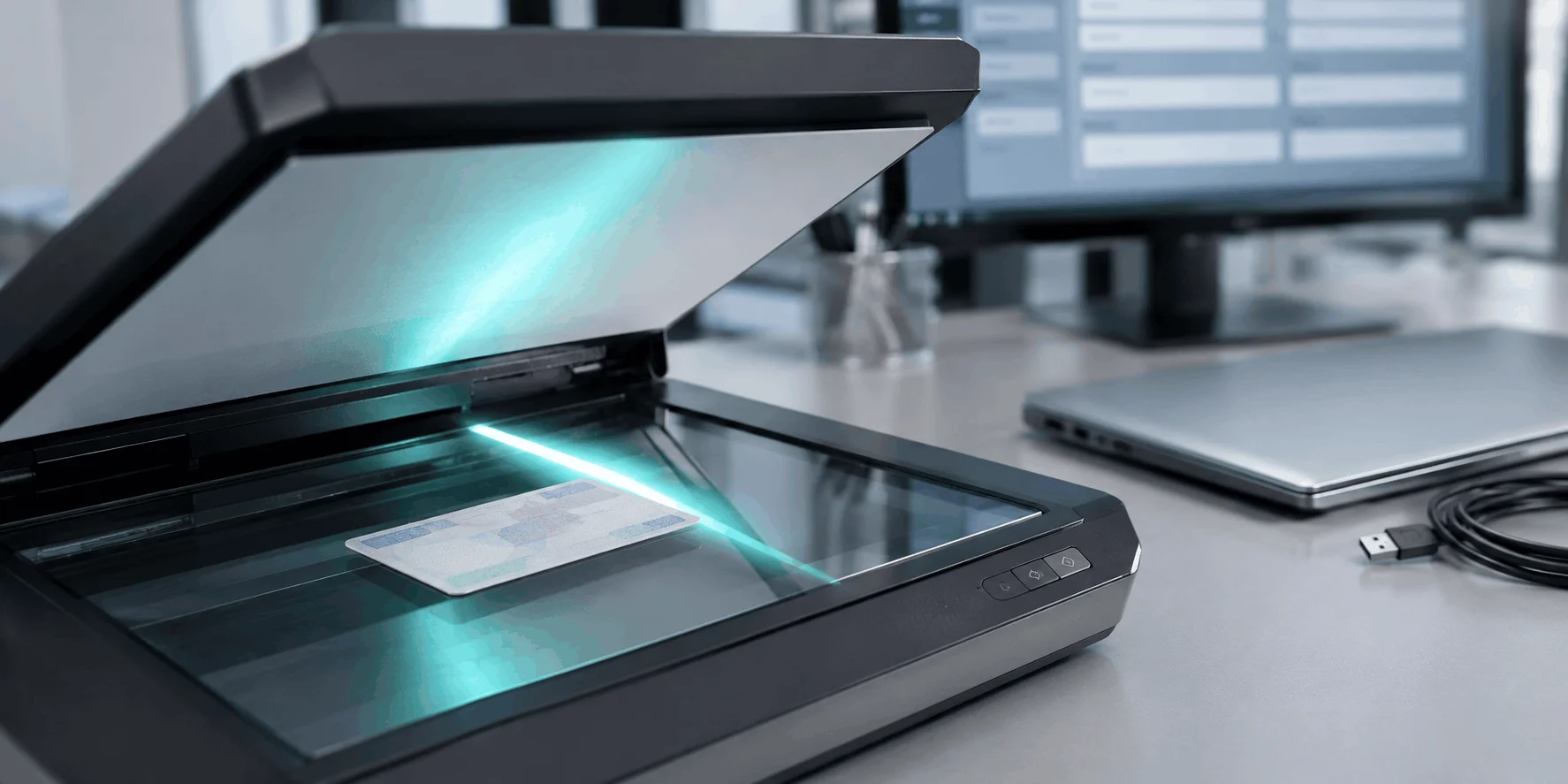
Uber has begun notifying nearly 150,000 drivers that attackers stole their personal records, including photographs of their driver’s licenses. The intrusion behind the Uber data breach started at an AI infrastructure supplier rather than inside the company’s own network. It reached a cloud environment Uber had built for that supplier alone.
Filings Uber submitted to several state attorneys general put the number of people affected by the data breach at 149,346. The stolen records pair names, home addresses, dates of birth and license numbers with scans of the licenses themselves. That pairing is far more useful to identity fraudsters than a leaked contact list.
Inside the Cloud Environment Uber Built for Its Supplier
The records taken in the Uber data breach sat in storage the company created specifically for the supplier’s work. Uber’s cloud security processes covered that environment, and its own Cloud Security team oversaw it. The filing submitted to Iowa’s Attorney General states that the compromised credentials opened no path into any other Uber system.
Uber described the contents as images of driver’s licenses plus text extracted from those images. Attackers therefore took both the raw scans and clean, machine-readable copies of every field printed on the card.
License images carry a longer tail of risk than a card number alone. A replacement card changes the number but leaves the photograph, signature and layout intact, and those elements still pass identity checks at banks and rental platforms. Fraud crews that need to clear a know-your-customer review pay for genuine scans, because a real document survives visual inspection.
How the Uber Data Breach Unfolded
Attackers used the supplier’s compromised internal credentials on October 7 to reach the data. The supplier alerted Uber two days later, and Uber cut its data connections with the provider at once. By October 13, investigators had confirmed that the unauthorized party used those credentials to pull company information.
Notification letters reached drivers on November 10, a month after Uber learned of the data breach. The company also deleted or rotated the credentials and access tied to the provider, and its investigation remains open. Uber has reported no sign so far that the stolen records have surfaced for sale. Affected drivers get 12 months of credit monitoring and fraud assistance through Cyberscout, a TransUnion company, with 90 days from the letter date to enroll.
Valid Credentials Walked Straight Past the Alarms
The most instructive detail Uber disclosed about the data breach concerns what its monitoring did during the intrusion. Uber had alerts running on the storage environment, yet none of them fired. The attackers arrived holding the supplier’s legitimate credentials, so nothing in those sessions looked unauthorized.
That outcome exposes a structural weakness in how most companies manage supplier access. Segmentation did its job and stopped the intrusion at one environment, and least privilege kept every other system closed. The identity layer was the single control that failed, and that failure gave up everything the environment held. Detection tuned to behavior rather than authorization status stands a better chance against this pattern.
One Supplier Breach, Three Different Losses
Uber did not name the provider in the filings that disclosed the data breach, but other customers have identified it directly. Fireworks AI, a platform developers use to run and fine-tune open-weight models, has disclosed two separate intrusions. The first ran from August 3 to October 7, when stolen credentials and a service flaw let attackers reach secrets, model files and customer datasets. Those dates align with the October 7 access Uber reported.
A second and separate intrusion followed between October 23 and October 30. Attackers compromised a third-party cloud provider hosting Fireworks development machines, then pushed into part of its production systems. That access exposed account and billing information for every account created before October 30. Fireworks calls both incidents contained, with forensic work on the second one still running.
Two other customers reported damage of a completely different kind. Cursor traced a malicious extension on its own marketplace back to an access key it had stored with Fireworks. Attackers then used the copied data to reach internal systems and steal coding-agent traces holding unredacted credentials. Notion warned customers that AI chat transcripts it sent to Fireworks reached the attackers, touching fewer than 1% of its workspaces.
LLMjacking Moves Past Stolen Compute
Fireworks attributed the attacks behind the Uber data breach to a financially motivated criminal group linked to LLMjacking. Sysdig’s threat research team named that technique in 2024, when the pattern amounted to plain theft of compute. Attackers harvested cloud credentials, queried expensive hosted models, then resold the access. Researchers put the potential cost to one victim above $46,000 a day.
The technique has since matured into something broader, because credentials for model access sit beside customer datasets, training data, API keys and storage buckets in the same provider accounts. An attacker who got in for cheap inference finds personal data and live credentials within reach.
Steps for Drivers Who Receive a Letter
Drivers notified about the Uber data breach should enroll in the monitoring before their window closes. A credit freeze is worth adding, because it blocks new account openings outright instead of flagging them later. License images raise the stakes beyond a routine notification.
Drivers should also watch for unexpected loan or credit applications over the coming months, since a license image supports a fraud application that a leaked number alone cannot carry. Any call or message referencing the Uber data breach deserves treatment as a phishing attempt until someone can verify it independently.
A Pattern Uber Has Seen Before
The Uber data breach lands on a company with a long record of incidents that began elsewhere. A threat actor leaked IT asset data, employee email addresses and corporate reports in December 2022 after breaching Teqtivity, a third-party asset management provider. Three months earlier, the Lapsus$ group got in through an MFA fatigue attack built on credentials stolen from an Uber contractor. The 2016 incident that hit 50 million riders and 7 million drivers remains the largest in company history.
What has changed in 2026 is the kind of supplier holding the keys. Companies now push identity documents, support transcripts and production datasets into AI platforms, and vendor review processes have not kept up. Uber scoped and monitored this environment correctly, and 149,346 drivers still lost license photographs after one supplier lost control of its credentials.
Vendor access that nobody can monitor by behavior, time-bound or revoke within minutes stays an open door. Supplier credentials now form part of the attack surface, so they need the scrutiny any internal account would get. The more sensitive the data flowing through them, the more that door costs.
Subscribe to receive the latest blog posts to your inbox every week.